


Connecting Cultures
Celebrating AAPI Month: Honoring Heritage, Inspiring Education
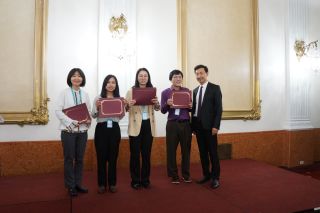
2025 Professional Development CLTA-USA Grant Recipients
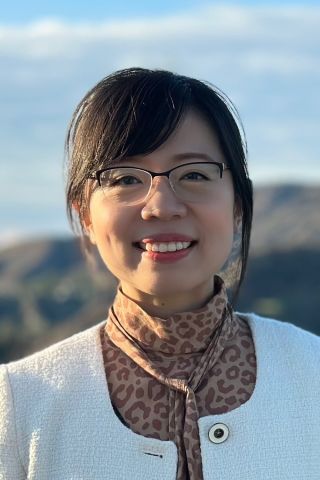
Cheng & Tsui is proud to announce the recipient of the 2024–2025 Shou-hsin Teng Pedagogical Innovation Prize, presented in conjunction with the CLTA-USA Annual Conference on May 10, 2025, in New York City.
Breaking Boundaries: Connecting Chinese Language Education with Career Success
Professor Zhongqi Shi from Columbia University is a member of Cheng & Tsui's Higher Education Advisory Council.
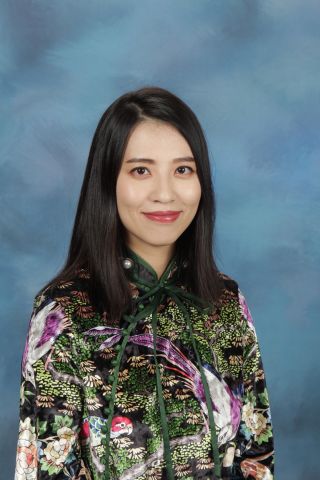
Language and Culture in Action: Comprehensible Input and Cultural Authenticity in the Chinese Language Classroom
By Bonnie Wang
Can Self-Assessment Play a Greater Role in Advanced Chinese Learning in the Digital Era?
Professor Jianling Liao from Arizona State University is a member of Cheng & Tsui's Higher Education Advisory Council.
Building Resilient Chinese Programs: Grassroots Wisdom from Eight Educators
Professor Ke Peng from Western Kentucky University is a member of Cheng & Tsui's Higher Education Advisory Council.
Effective AI Use in Chinese Teaching
Professor Xiao from Pomona College is a member of Cheng & Tsui's Higher Education Advisory Council.
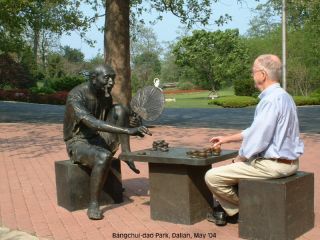
In Memoriam of a Life Well-Lived
James E. Dew
June 27, 1932 – July 11, 2023
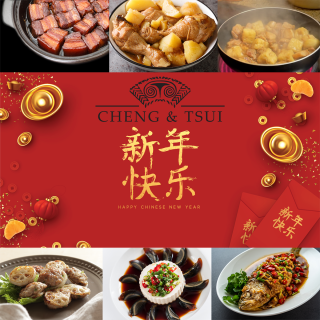
All of us at Cheng & Tsui would like to wish you and your language loving friends, family, students, and teachers a healthy and prosperous Spring Festival, and year ahead. Please enjoy our staff's own recipes which they commonly prepare and enjoy eating during the Spring Festival.